Introduction to Disability Insurance for Dental Professionals
Accidents can happen at any moment. For dental professionals, a routine bike ride could lead to a career-threatening injury, emphasizing the necessity of understanding disability insurance. This article delves into the crucial differences between any occupation and own occupation protection to help safeguard your income and career.
The Importance of Disability Insurance
Disability insurance protects your income in the event that you are unable to work due to injury or illness. It’s especially critical for professionals in physically demanding fields like dentistry, where the ability to perform intricate tasks is integral to job performance.
Two Types of Disability Insurance
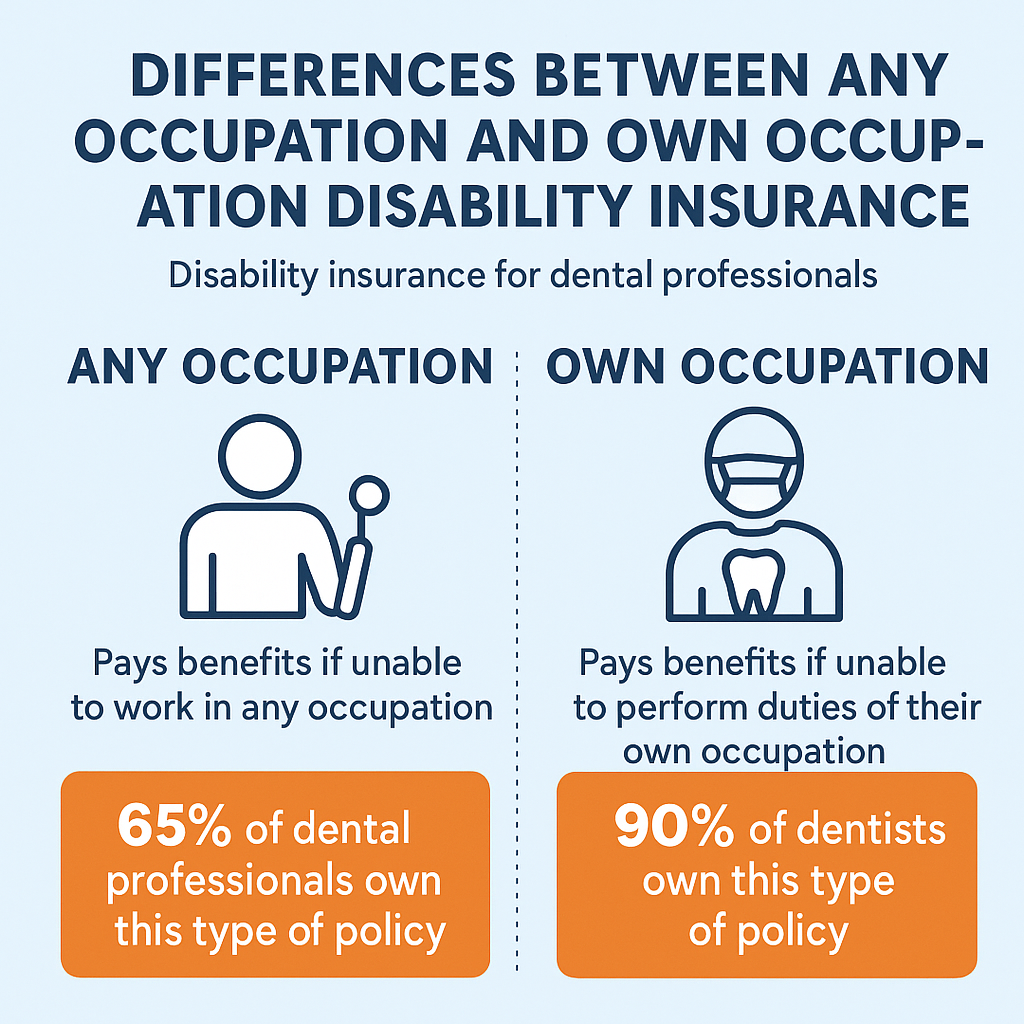
There are primarily two types of disability insurance policies: any occupation and own occupation. Understanding these can have a significant impact on your financial security.
- Any Occupation Protection: This coverage pays benefits only if you are unable to perform any job for which you are reasonably qualified by training, education, or experience. Generally, this type of policy is less expensive than own occupation coverage but may be less advantageous for dental professionals.
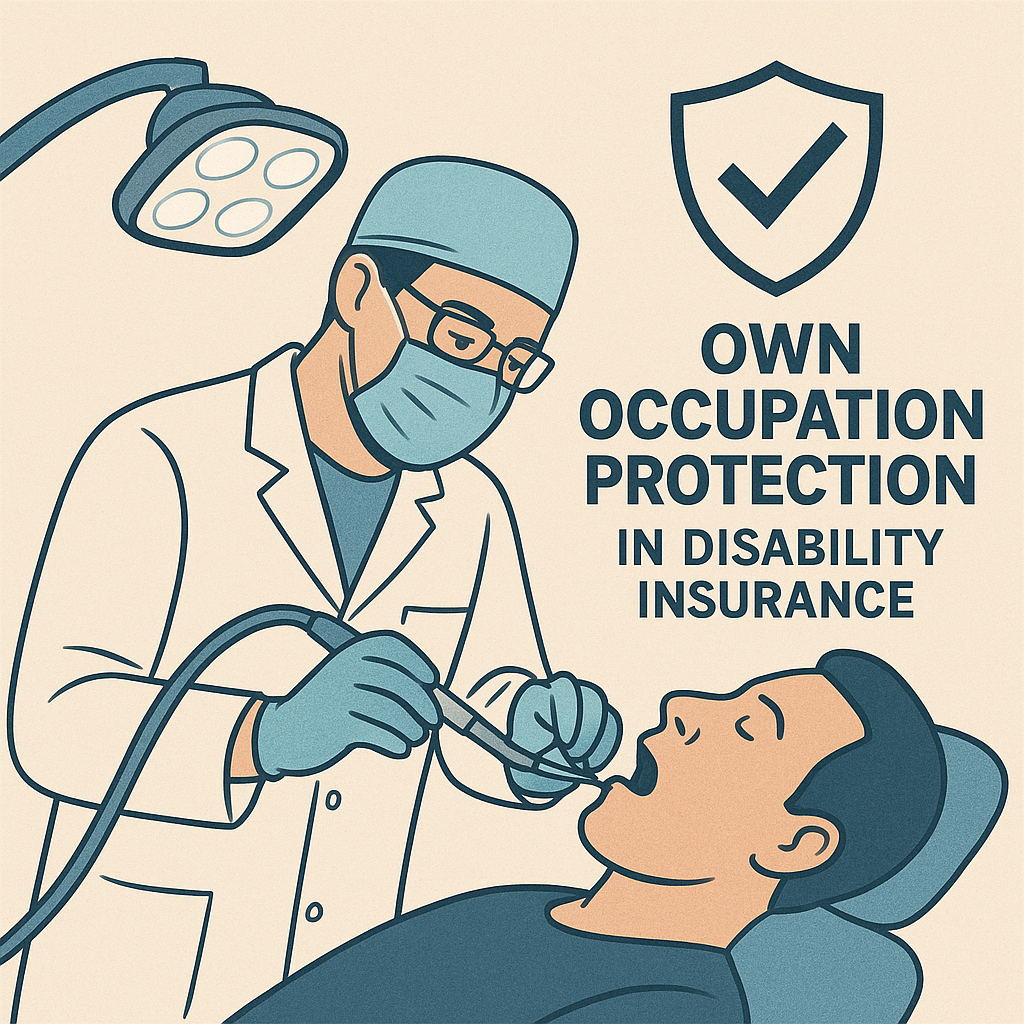
- Own Occupation Protection: This policy is more favorable for those in specialized fields. It pays benefits if you cannot perform the specific duties of your job, regardless of whether you could work in a different capacity. This ensures that you are covered even if you are capable of working in another field.
Why Choose Own Occupation Protection?
For dental professionals, own occupation protection can provide a much higher level of security. If an injury or illness prevents you from performing dental procedures or treatments but does not stop you from working in a different field, this coverage ensures that you will still receive benefits.
The cost of acquiring own occupation protection might be higher, but the peace of mind it offers can be invaluable. Consider the following scenarios when evaluating your insurance needs:
- Scenario 1: A dentist suffers a hand injury, hindering their ability to perform surgeries. With own occupation protection, they could still receive benefits.
- Scenario 2: A dental hygienist develops a chronic condition affecting their work. Own occupation coverage would secure their income based on their inability to perform their specific role.
Evaluating Your Policy
When assessing your current policy or considering a new one, ask yourself the following questions:
- Does my policy provide own occupation coverage?
- What are the definitions of disability in my policy?
- Are there any exclusions that may impact my ability to collect benefits?
- How long does the coverage last, and what does it say about recovery periods?
Taking the time to thoroughly review and understand your disability insurance policy can be the difference between financial security and uncertainty in difficult times.
Conclusion
Understanding the distinctions between any occupation and own occupation protection is essential for safeguarding your professional income. As a dental professional, ensuring you have the right type of disability insurance will not only protect your financial future but also provide peace of mind. To learn more about how disability insurance can safeguard your career, visit the original article on DentistryIQ.