What Does Consolidation Mean in Dentistry?
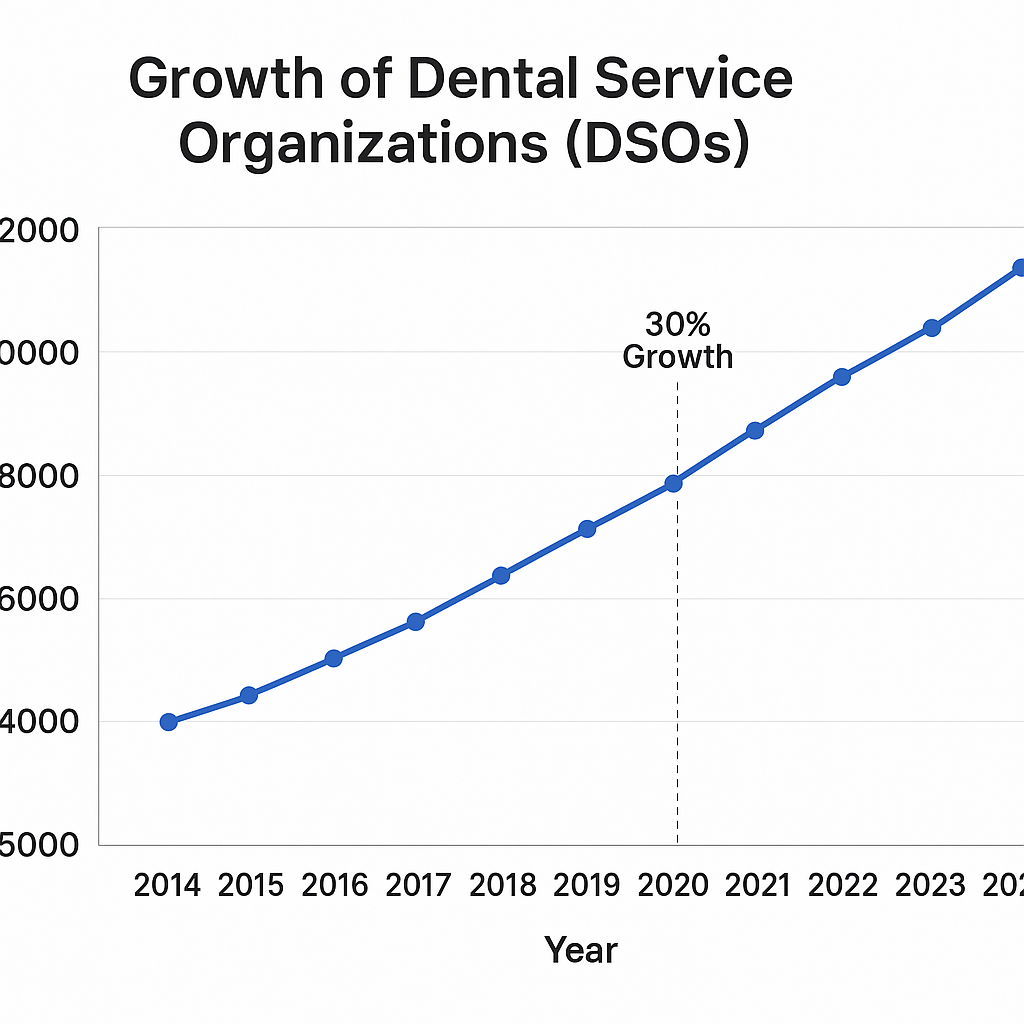
Consolidation in the dental industry refers to the trend where larger dental service organizations (DSOs) acquire smaller dental practices. This can significantly affect practice ownership dynamics, patient care, and financial valuations within the dental sector.
Current State of Dental Industry Consolidation
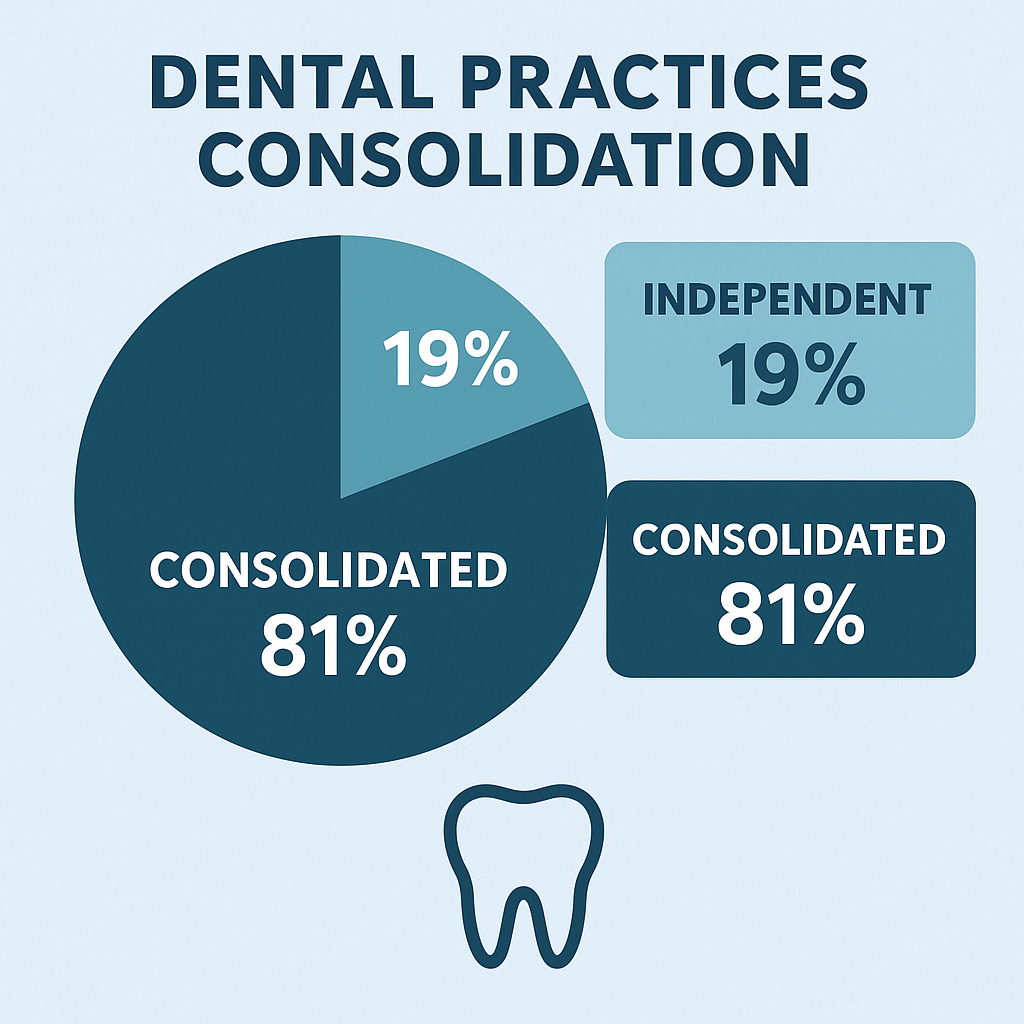
According to recent reports and data analyzed by the American Dental Association (ADA), the idea that 35% of dental practices are consolidated is more complex than it seems. Let’s delve into the figures and their implications.
Breaking Down the Numbers
- Total Number of Practices: The ADA estimates there are roughly 200,000 dental practices in the U.S.
- Dental Service Organizations (DSOs): Currently, around 35% of practices are affiliated with DSOs. But, this doesn’t equate to ownership of 35% of the total market.
- Market Value: While DSOs are growing, most still represent a small fraction of total practice revenues compared to private practices.
Understanding the Impacts of Consolidation
Dental consolidation influences various facets of the industry. Here are the key implications:
1. Ownership and Autonomy
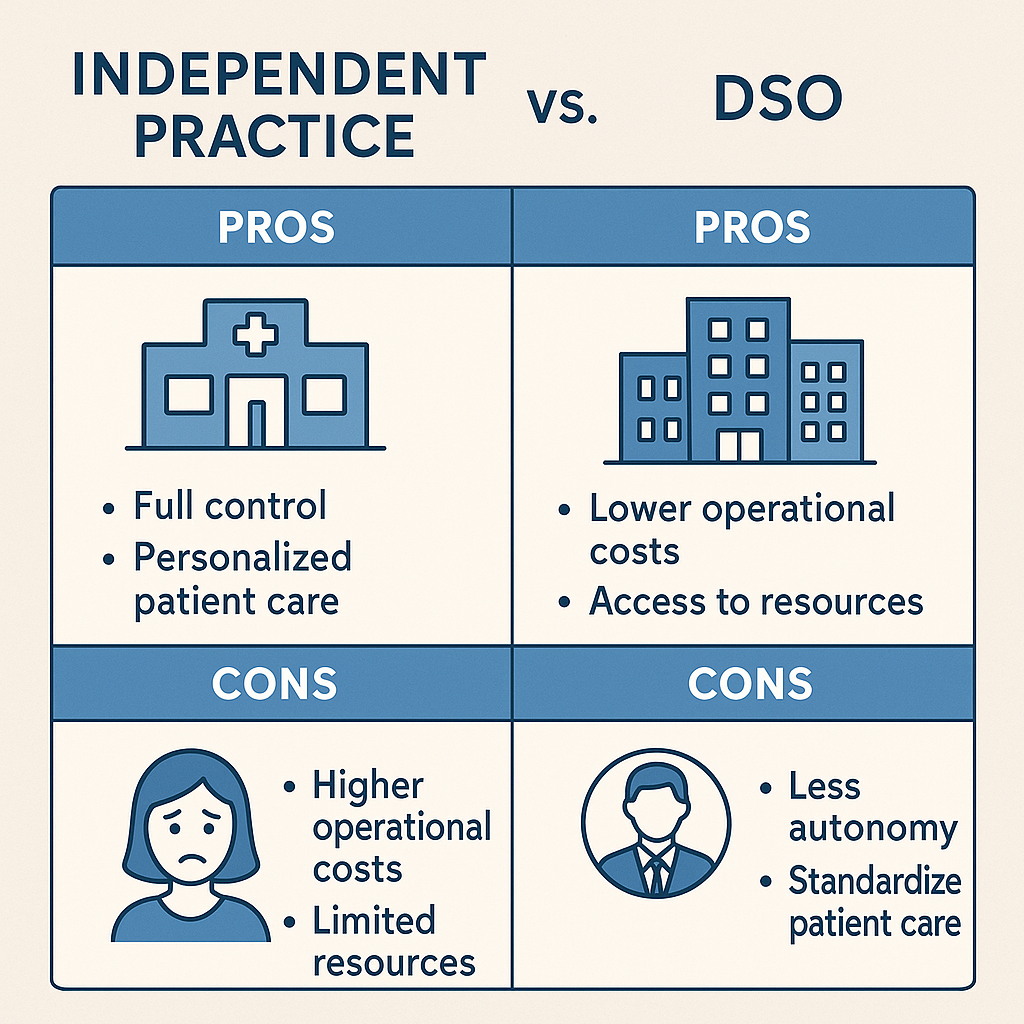
As more practices align with DSOs, traditional ownership models might be threatened. Dentists may find themselves losing some autonomy and decision-making power over their practices.
2. Patient Care
With consolidation, the fear exists that patient-centered care could take a hit. DSOs may prioritize cost-cutting measures over personalized care.
3. Valuations and Exit Strategies
For those looking to sell their practices, understanding the consolidation trend is vital. Many owners may find that valuations differ between independent practices and those affiliated with DSOs, affecting their exit strategies significantly.
What Does the Future Hold?
The rate of consolidation is likely to accelerate due to several factors, including:
- Increased Competition: As more practitioners enter the field, consolidation could provide a competitive edge for DSOs.
- Technological Advancements: Technology adoption is crucial for maintaining operational efficiency, and DSOs are often better positioned for investment in tech.
- Changing Patient Demographics: Younger patients may prefer practices that operate under the DSO model, influencing more practitioners to consider consolidation.
Conclusion
So, is dentistry truly 35% consolidated? The answer is nuanced. While DSOs represent a growing segment of the market, the total percentage of all dental practices under their umbrella remains relatively modest compared to the entire industry. The future will likely see continued changes as the industry adapts to market demands and patient preferences.
For more detailed insights, read the full analysis by the ADA here.