
Understanding the Risks of Mask Misuse in Dentistry
The practice of storing dental masks under the chin or in pockets, often termed the “mask chinstrap” method, is more than an innocuous habit; it poses serious risks to both dental professionals and patients. While this norm has pervaded the industry for years, evolving evidence indicates that such actions can substantially undermine infection control protocols.
The Science Behind Effective Mask Use
Dental masks are designed to act as a barrier against biological contaminants, including bacteria and viruses. When a mask is improperly handled—whether it’s resting on the chin or being hung from the ear—the integrity of this barrier is compromised. Research has shown that masks loaded with pathogens can transfer these harmful microorganisms back into the oral cavity or onto other surfaces during patient treatment.
Statistical Evidence
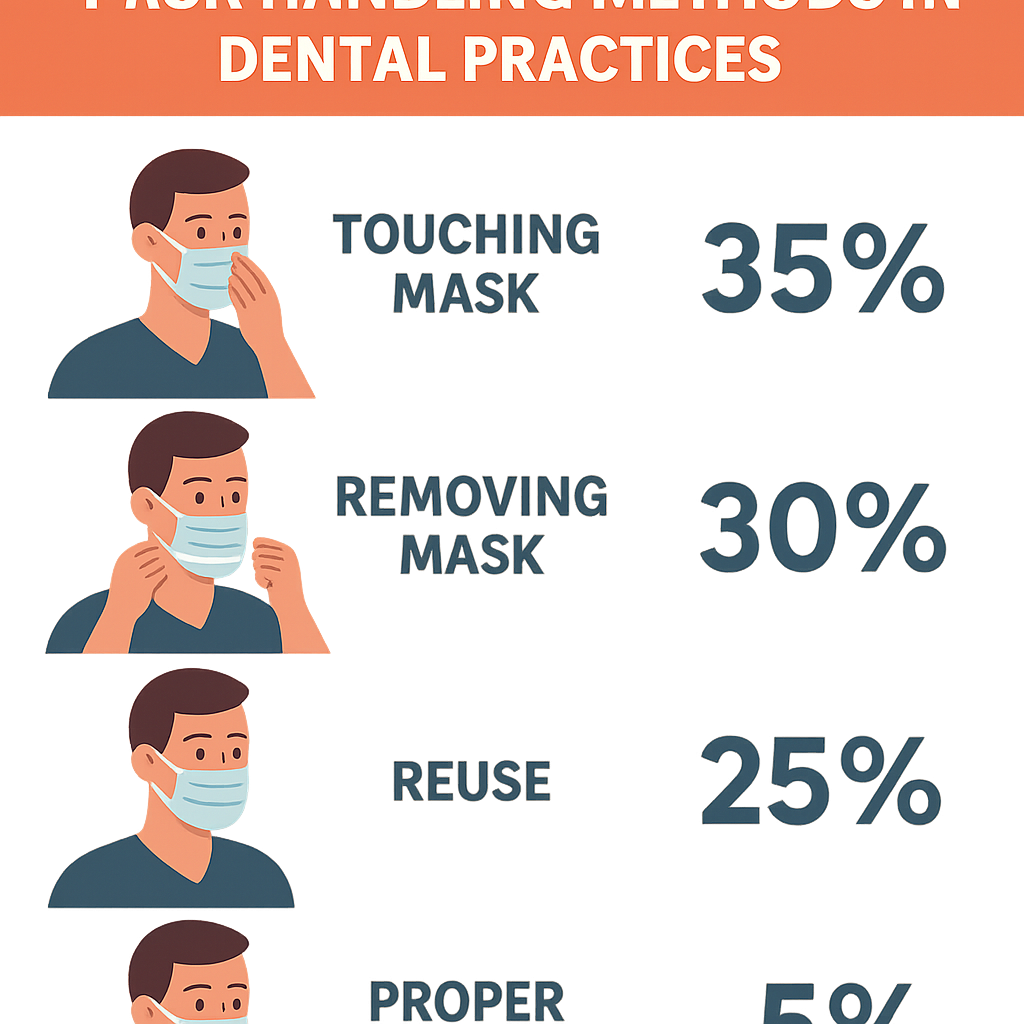
According to a study published in the Journal of Clinical Dentistry, improper mask handling can increase the risk of infection transmission by up to 70%. This startling figure highlights the necessity for adopting more stringent mask protocols.
Common Misconceptions
- Myth 1: “It’s okay to pull my mask down during breaks.” This common rationalization can lead to mask contamination, exposing both dental teams and patients to pathogens.
- Myth 2: “Masks can be reused indefinitely if not visibly soiled.” While some masks may appear clean, they can still harbor bacteria after handling.
- Myth 3: “Chinstraps are a practical solution for comfort.” In reality, they are counterproductive, compromising safety for convenience.
Best Practices for Mask Use in Dentistry
To enhance safety and maintain high standards of infection control in dental settings, consider the following best practices:
- Always wear masks properly: Ensure that masks cover both the nose and mouth without any gaps.
- Avoid touching the mask: Minimize contact with the mask surface; if touched, sanitize hands immediately afterward.
- Change masks per procedure: Use a new mask for each patient to reduce the risk of cross-contamination.
Implementing these best practices not only enhances infection control but also fosters a culture of safety within the dental practice.
Conclusion: Aligning Practices with Evidence-Based Guidelines
As the dental industry evolves, so must its practices. The habitual use of the mask chinstrap is no longer defensible when balanced against the clear evidence of infection risks. By adhering to stringent mask protocols, dental professionals can protect themselves and their patients, thus prioritizing health and safety above outdated norms.
For further reading on this topic, refer to the original article on DentistryIQ: The dental mask chinstrap has to go.