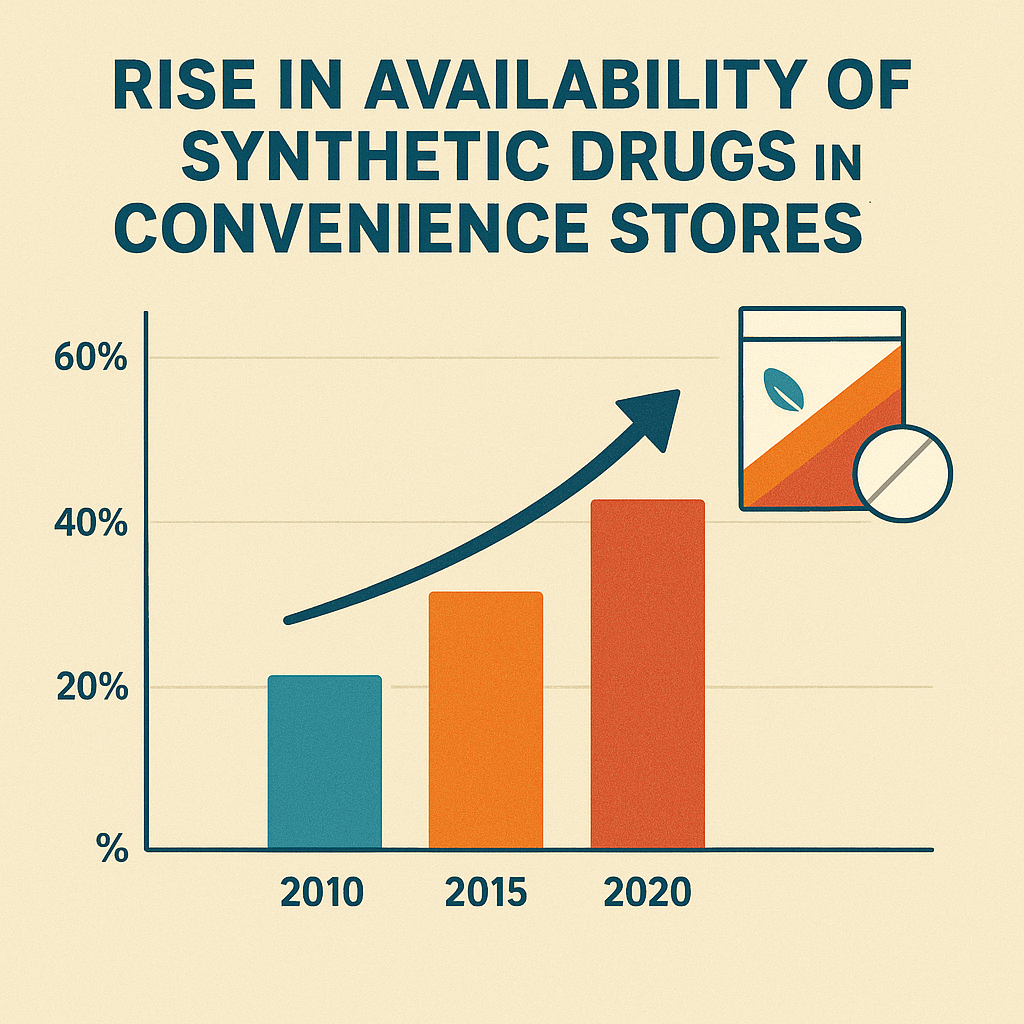
Introduction to Synthetic Drugs
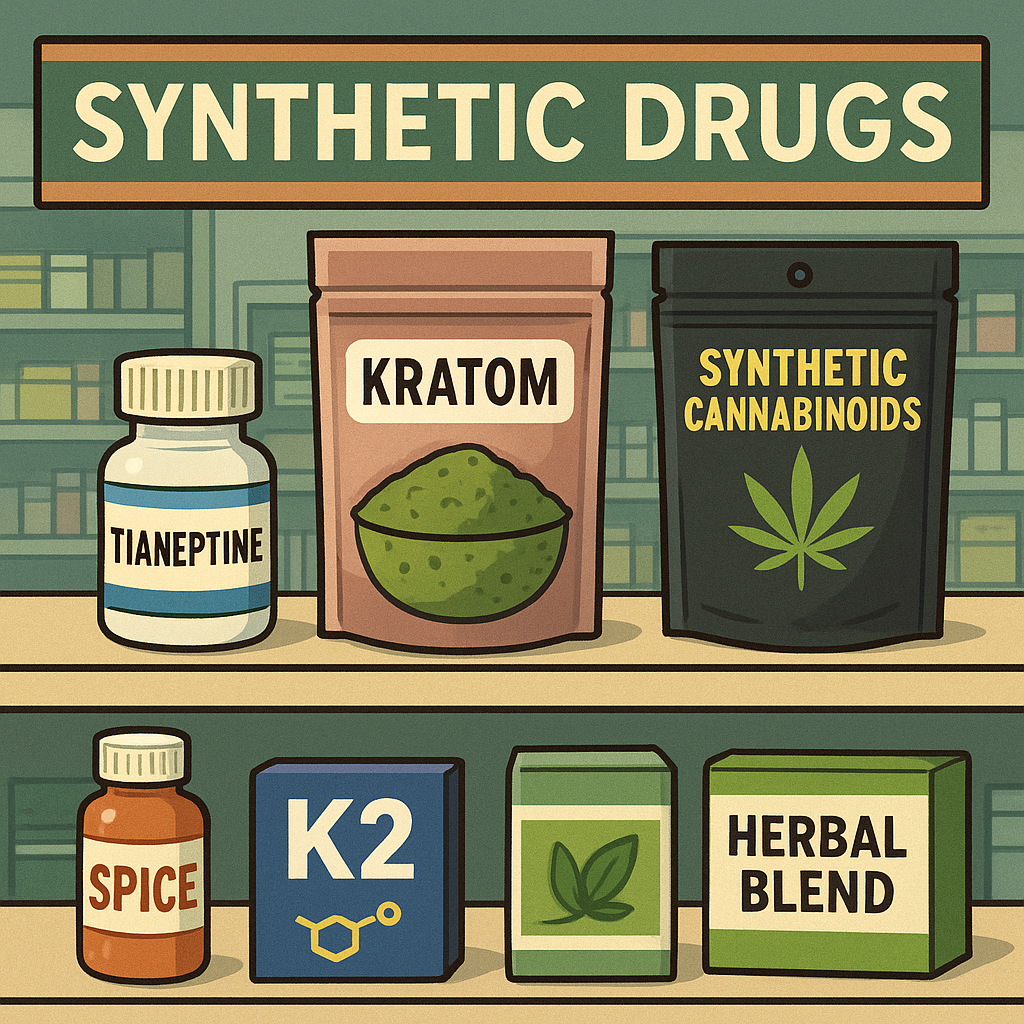
Synthetic drugs like tianeptine, kratom, and synthetic cannabinoids have surfaced in convenience stores, smoke shops, and gas stations. These substances often fly under the radar due to their unregulated status, making them deceptively accessible to consumers.
What Are Synthetic Drugs?
Synthetic drugs are artificially created substances that mimic the effects of natural drugs. Many of these products are marketed as supplements, herbal remedies, or research chemicals, often evading regulation. This article explores some popular examples, their effects, and what makes them concerning.
Tianeptine: The Antidepressant Mimic
Tianeptine is primarily known as an antidepressant, but it has gained notoriety for its euphoric effects when taken in high doses. Initially developed to treat depression, it has been misused for recreational purposes.
- Legality: Tianeptine is not approved by the FDA for any medicinal use in the U.S., yet it is readily available online and in low-regulation areas.
- Risks: Overuse can lead to dependency, withdrawal symptoms, and severe side effects like organ damage.
As noted in the original article, tianeptine has been referred to as a “gas station medication,” which encapsulates why it’s vital to understand its implications (DentistryIQ).
Kratom: The Botanical Controversy
Kratom, derived from the leaves of the Mitragyna speciosa tree, has gained popularity as a natural remedy for pain relief and anxiety. However, its psychoactive properties have also raised concerns.
- Effects: Depending on the dosage, kratom can act as a stimulant or a sedative, presenting risks of addiction.
- Regulatory Status: While kratom is legal in many states, the FDA has issued warnings about its safety, linking it to numerous fatalities.
Synthetic Cannabinoids: The Unpredictable High
Synthetic cannabinoids, often marketed as “K2” or “Spice,” are man-made chemicals designed to imitate THC, the active compound in cannabis.
- Unregulated and Potent: The potency of synthetic cannabinoids can vary widely, which increases the risk of severe side effects, including paranoia, hallucinations, and even death.
- Public Health Concerns: These products are often found in convenience stores, yet little is known about their long-term effects.
Given their unpredictable nature, users can find themselves experiencing dangerous health consequences.
The Accessibility Issue
These synthetic drugs can easily be purchased without age verification at gas stations and convenience stores, raising alarms among public health professionals. Many consumers are unaware of the potential dangers these substances pose, leading to inadvertent misuse.
Safety Precautions and Recommendations
- Research: Individuals should thoroughly investigate substances before consumption, including understanding their risks and legal status.
- Consult Healthcare Professionals: Speak to a healthcare provider if considering using any supplement, particularly those found in unregulated settings.
- Stay Informed: Follow updates from credible organizations regarding the safety of synthetic drugs and potential changes in their legal status.
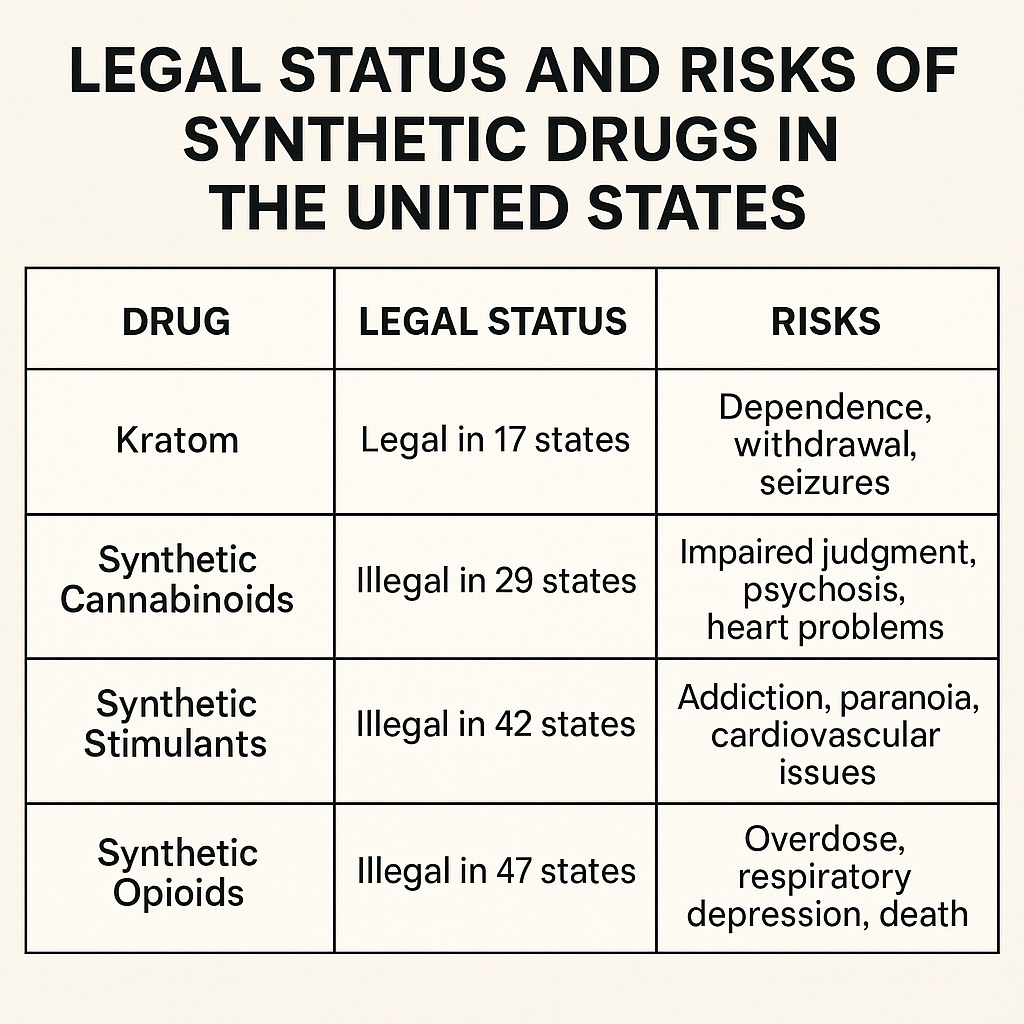
Conclusion
The rise of synthetic drugs available in everyday locations underscores the urgent need for awareness and regulation. Understanding these substances helps protect consumers from unintended health consequences. As the landscape evolves, remaining informed and cautious is key to navigating this complex issue.