The Importance of Whole-Person Health in AI-Driven Care
As artificial intelligence (AI) takes center stage in healthcare innovation, the necessity for comprehensive health data becomes increasingly evident. A significant gap exists in integrating dental health data into overall patient profiles, potentially compromising treatment quality. This integration is crucial for achieving true whole-person health.
The Case for Dental Integration
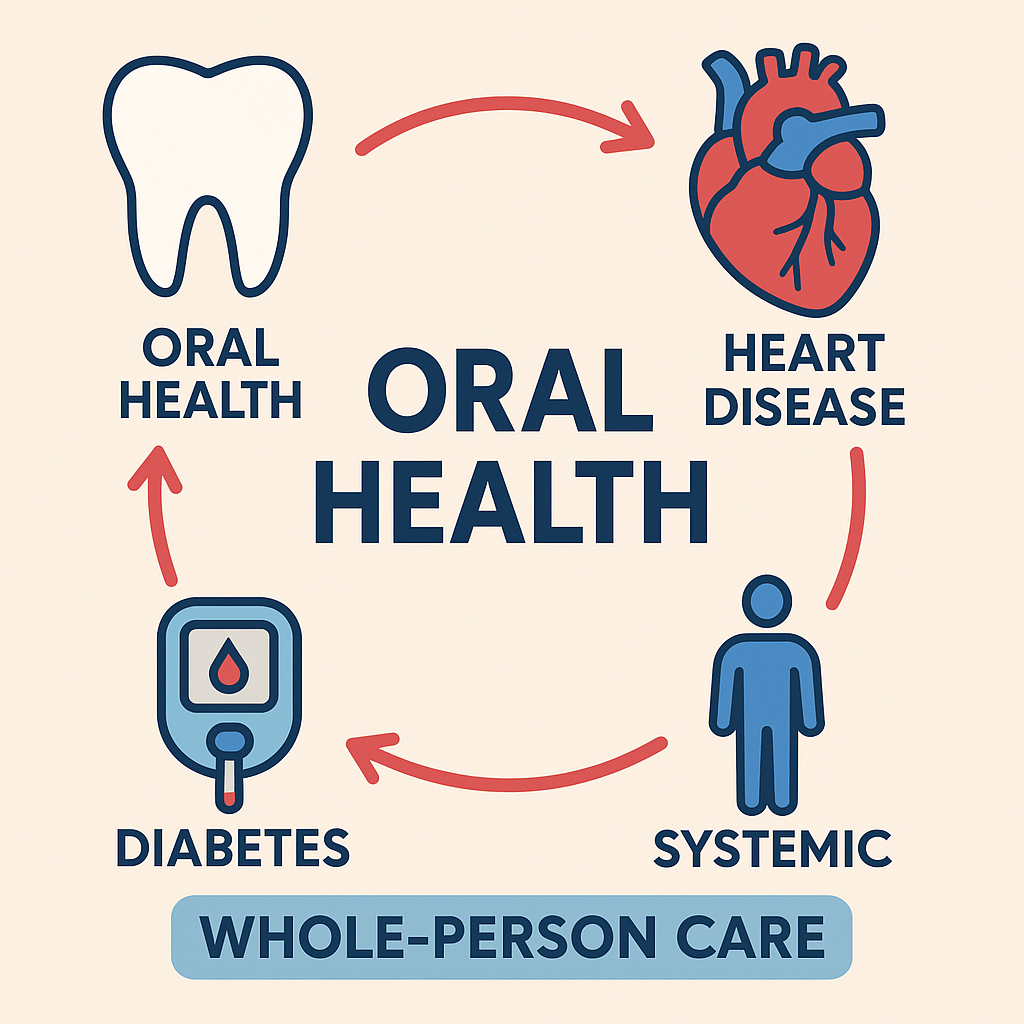
Many health conditions have oral health implications. For instance, periodontal disease has been linked to systemic diseases like diabetes and heart disease. Failing to consider dental health can lead to incomplete or ineffective treatment plans. AI technologies rely on data availability to function correctly; without dental information, clinicians may miss critical connections.
Key Benefits of Integrating Dental Health Data:
- Improved Patient Outcomes: A holistic view of a patient’s health can enable better decision-making, especially for multidisciplinary teams handling complex cases.
- Enhanced Predictive Analytics: Integrating dental records can improve risk stratification and early diagnosis of conditions that bridge oral and systemic health.
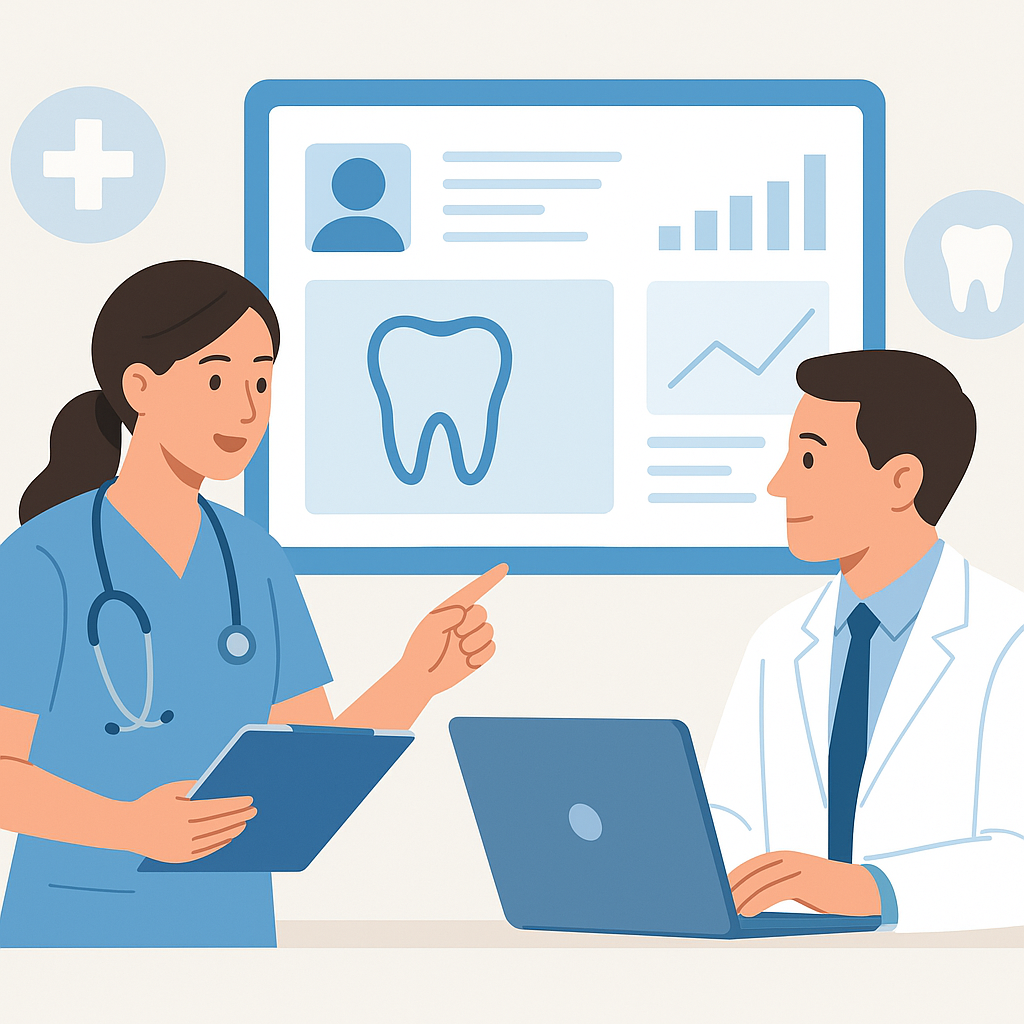
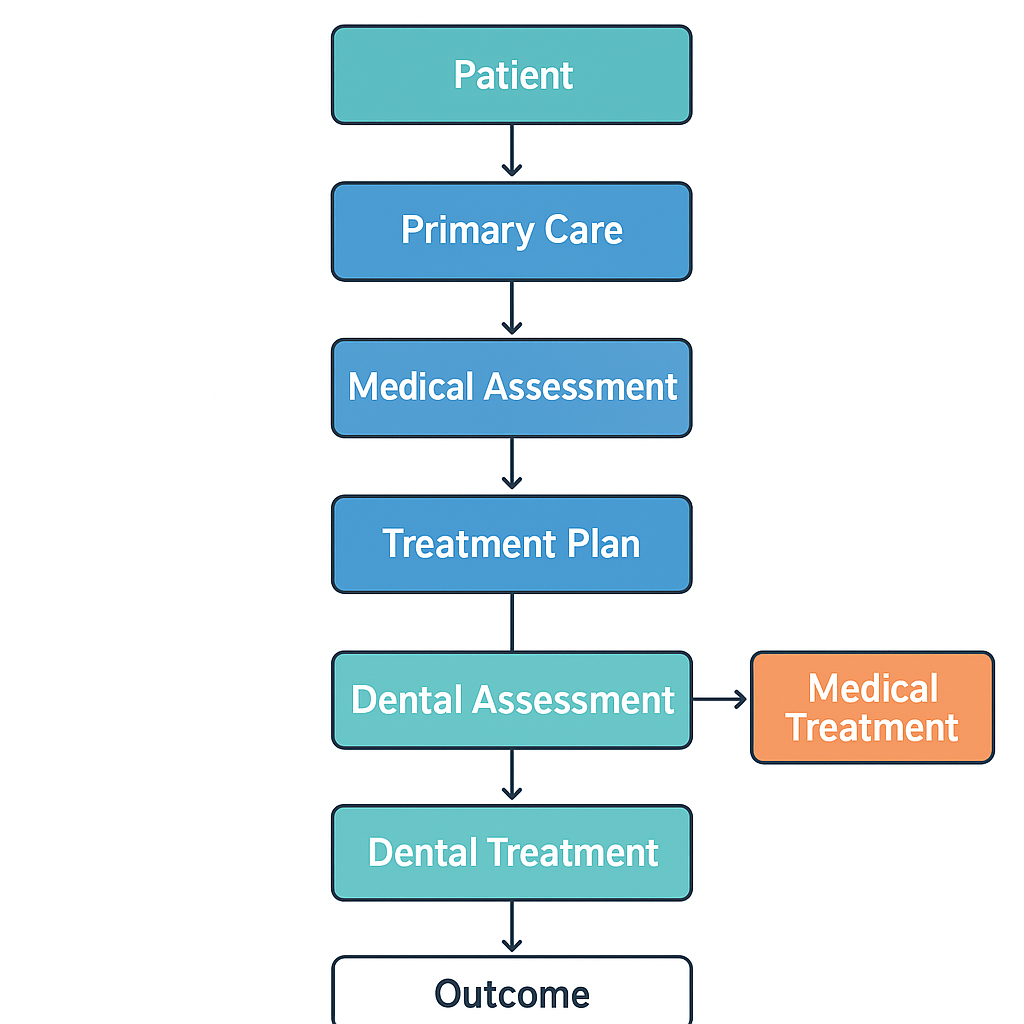
- Streamlined Treatment Plans: Physicians and dentists working collaboratively can create cohesive treatment plans that address all aspects of a patient’s health.
Examples of AI in Integrated Healthcare
Technology is evolving to support this much-needed integration. Several organizations are pioneering efforts to create comprehensive health records incorporating dental data. For example:
- The AICD (Artificial Intelligence Clinical Database): This platform collects data from both medical and dental records to assist healthcare providers in creating personalized treatment plans.
- Oral Health Portals: Many dental practices are implementing portals that allow for easy sharing of patient records with medical practitioners.
Challenges and Considerations
Despite the potential benefits, integrating dental information presents challenges:
- Data Silos: Healthcare data is often kept in separate systems, making integration cumbersome. It’s crucial for organizations to adopt unified platforms.
- Privacy Concerns: As with any health data, safeguarding patient privacy and ensuring compliance with regulations like HIPAA is essential.
How to Advocate for Integration:
- Educate: Raise awareness about the importance of oral health within medical circles.
- Collaborate: Encourage team-based care models where medical and dental professionals work together.
- Leverage Technology: Invest in health IT solutions that facilitate integrated care pathways.
Conclusion
Integrating dental health into the AI-driven healthcare ecosystem is vital for achieving whole-person care. As AI continues to evolve, addressing this gap should be a priority for healthcare providers, ensuring that patients receive the comprehensive care they deserve. To learn more about the significance of this integration, check out the insights shared in this article.