Understanding the Impact of a Hygienist’s Absence
When a dental hygienist unexpectedly calls out, it can send waves of disruption through your practice. This absence not only affects your schedule but can also impact patient care, team morale, and overall production. Being proactive and prepared can greatly mitigate these effects.
1. Implement a Proactive Staffing Plan
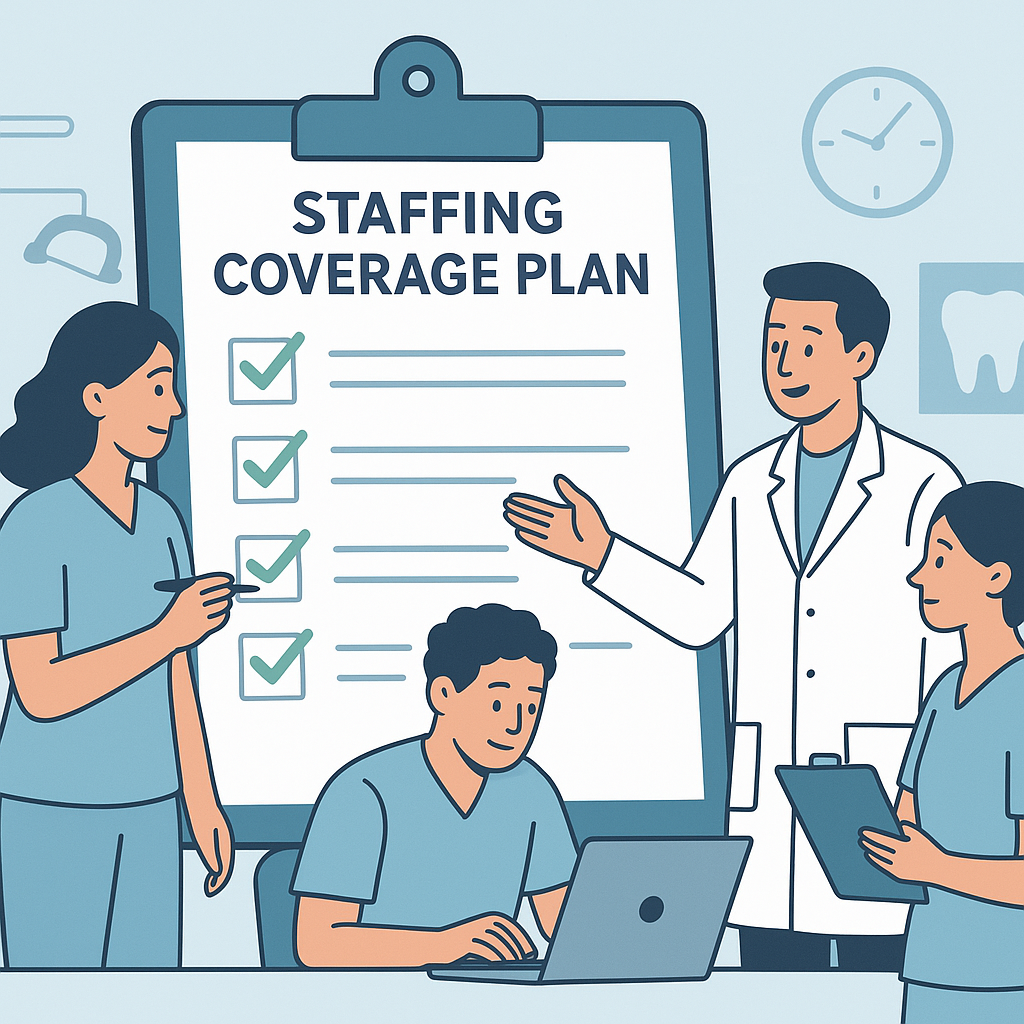
A robust staffing coverage plan is key to managing unexpected absences effectively. Here are steps to help ensure you’re prepared:
- Cross-train staff: Ensure that dental assistants or other team members are trained to cover essential hygienist duties, such as patient intake or basic procedures.
- Create a call list: Maintain an updated list of available hygienists or temp agencies who can step in on short notice.
- Flexible scheduling: Adapt your team’s schedules to allow for flexibility and coverage. This includes adjusting shifts for hygienists who can work extra hours on short notice.
2. Communicate with Your Patients
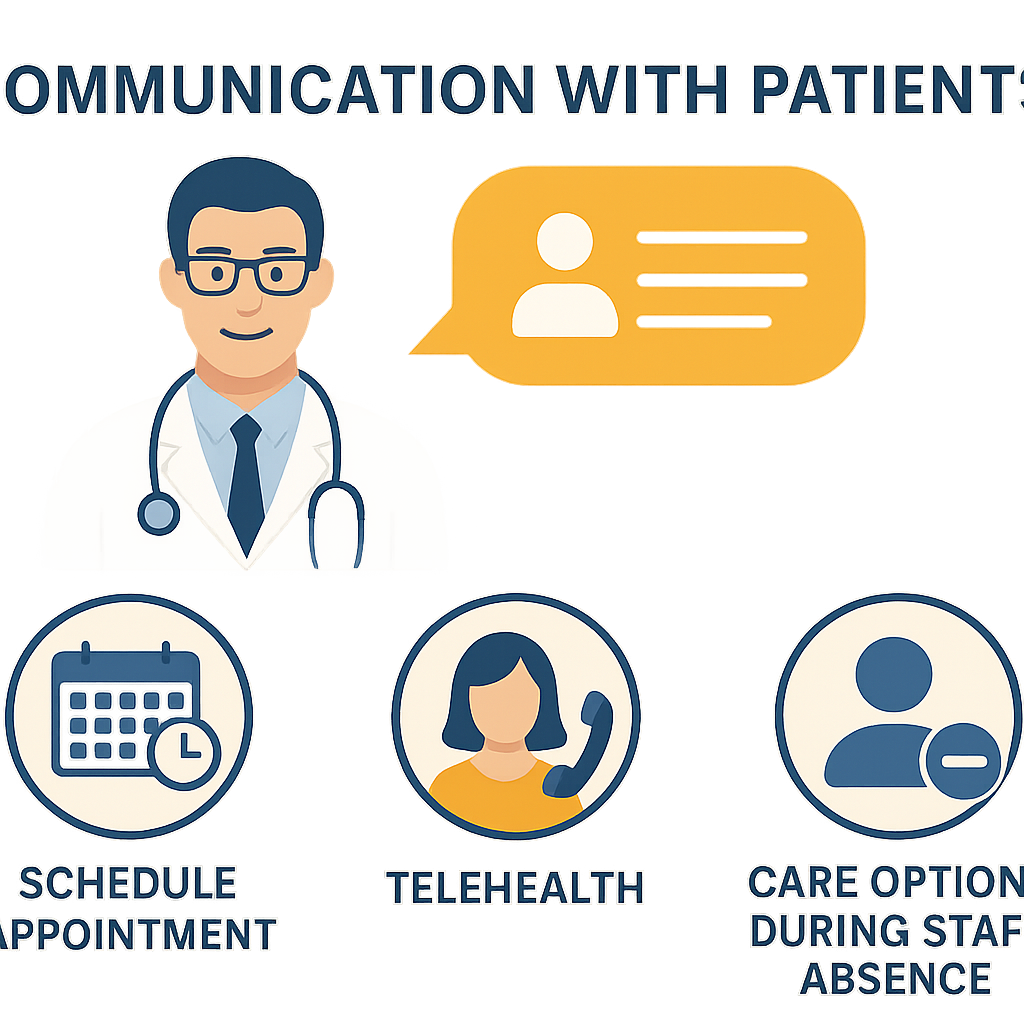
Clear and transparent communication is vital. Here’s how to approach patients when there’s a sudden change:
- Inform them promptly: Notify patients about the absence and potential rescheduling options as soon as possible.
- Offer alternatives: Suggest rescheduling with the available hygienist or even longer appointments with a dentist if appropriate.
- Schedule follow-ups: Ensure that all patients affected by the absence receive follow-up communications regarding their care.
3. Foster Team Morale
Absences can strain your team, so focus on maintaining morale:
- Open dialogue: Encourage your team to express concerns about coverage and workload. Regular team meetings can help foster a supportive environment.
- Recognize contributions: Acknowledge those who step in to help during absences, whether through verbal recognition or small incentives.
- Encourage well-being: Offer resources to help staff manage stress and burnout, particularly during busy periods.
Example Scenario
Imagine one of your hygienists calls out due to illness on a Monday morning. Thanks to your proactive staffing plan, you immediately reach out to your cross-trained dental assistant, who’s able to fill in for some of the duties. Meanwhile, you contact your temp agency and successfully book a replacement hygienist for the week. You then send a timely message to affected patients, ensuring they remain informed and reassured about their care.
This example illustrates how a proactive approach can not only safeguard your practice’s productivity but also enhance the patient experience.
Conclusion
Managing a hygienist’s absence effectively requires a multi-faceted approach involving preparation, communication, and team support. By implementing these strategies, your dental practice can navigate emergencies smoothly and ensure continued patient satisfaction. For further reading on this topic, check the original article on DentistryIQ.